

News
Dr. Weishan Huang discussed Contemporary Humanitarian Practice at Harvard University
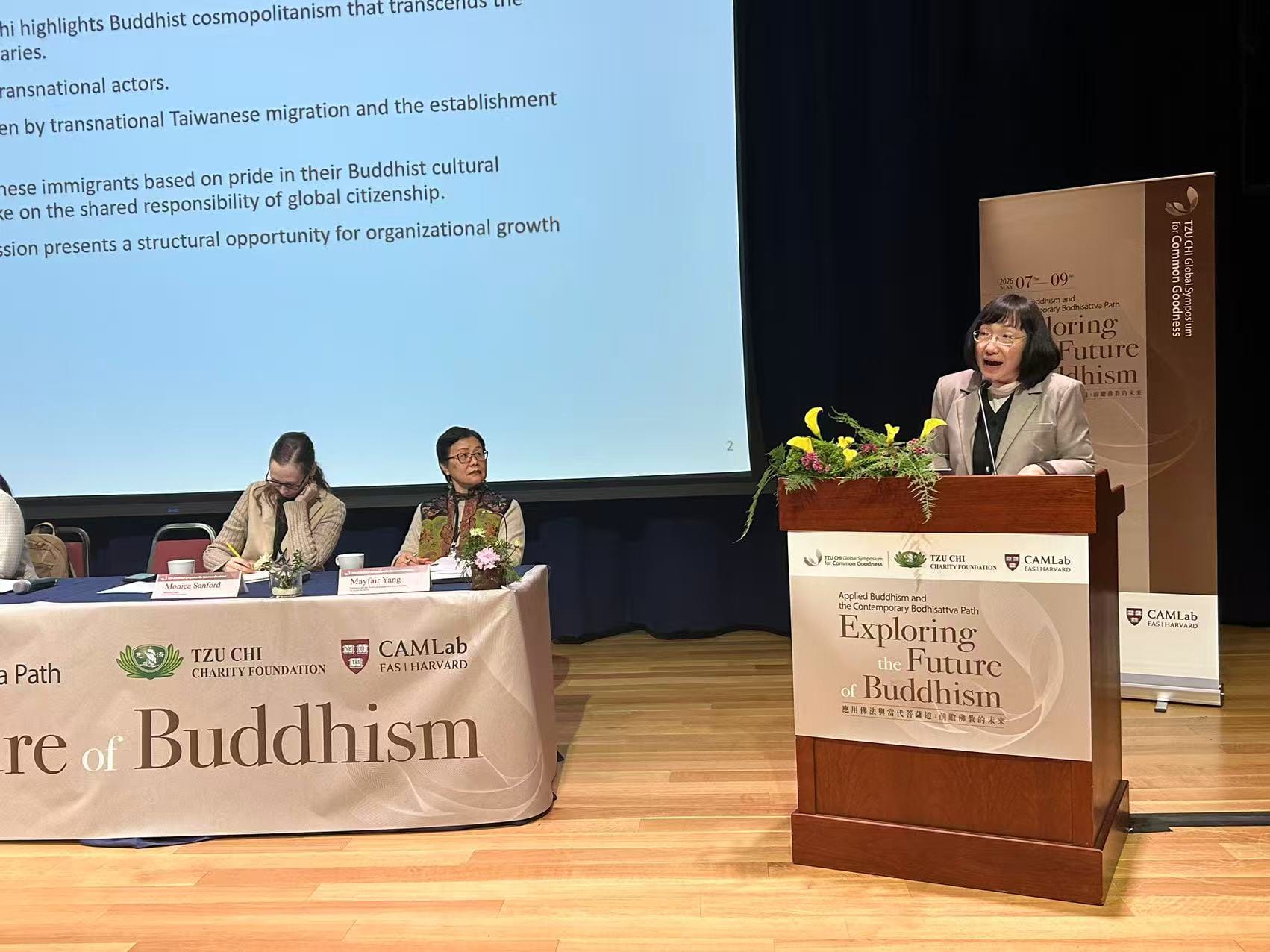
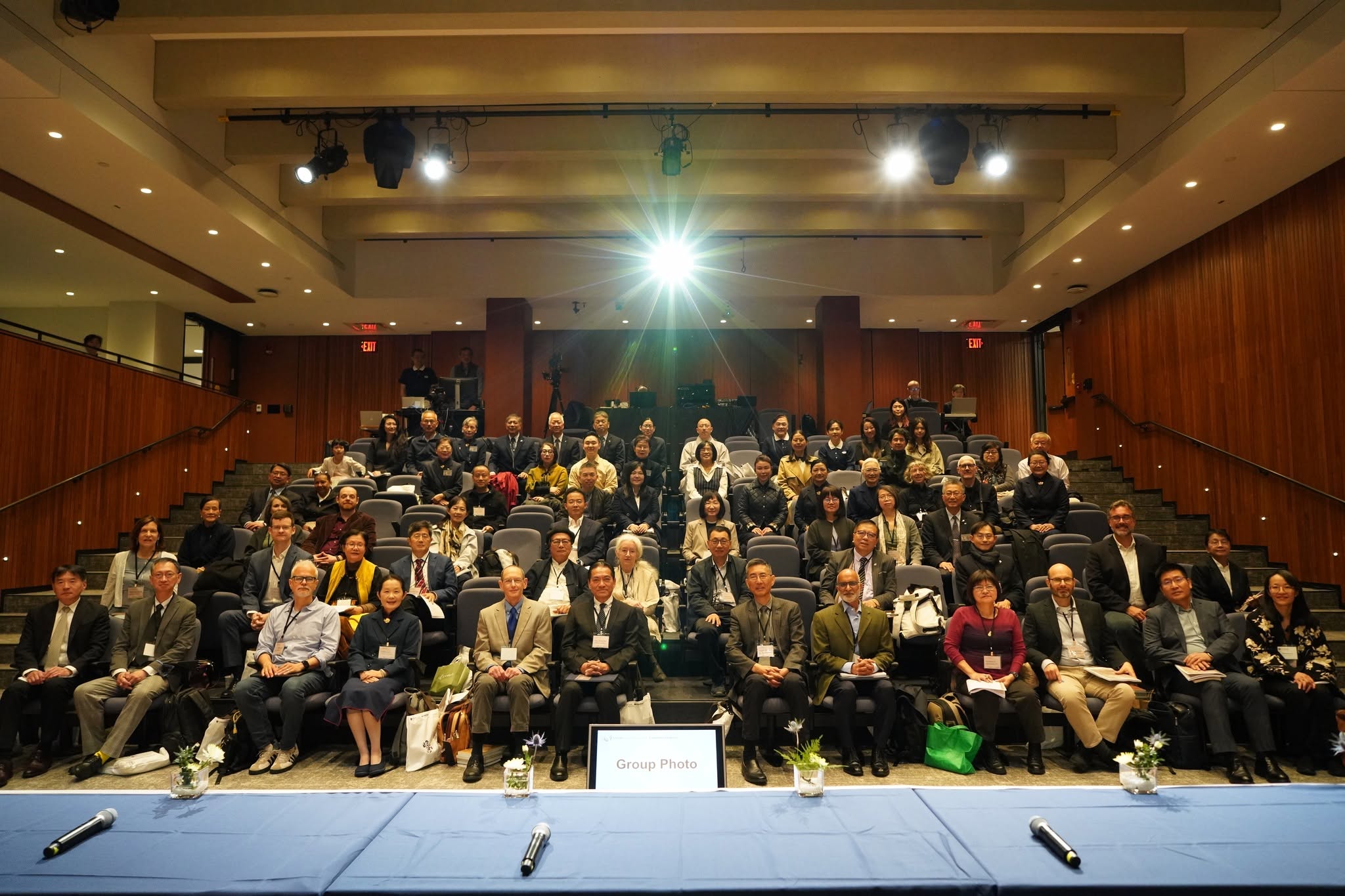
[Boston, May 7, 2026] — More than 50 scholars from seven countries gathered for "Applied Buddhism and the Contemporary Bodhisattva Path," a conference co-organized by the Tzu Chi Foundation and Harvard FAS CAMLab (Cognitive Aesthetic Media Lab).
Among the conference presentations, Dr. Weishan Huang offered "Infrastructuring Compassion: The Moral Economy of Tzu Chi's Humanitarian Relief." The study introduces the concept of "infrastructuring compassion" to describe how Tzu Chi's leaders, clergy, professional staff, and volunteers translate foundational ideals into tangible practice. The framework directs attention to both human and non-human actants, individuals, technologies, documentation, and organizational structures, as interconnected components that jointly produce social effects, shifting the study of religious humanitarianism away from spiritual teachings and individual acts of benevolence and toward the systematic development of material resources for disaster relief.
Two keynote addresses opened the proceedings. Professor James Robson of the Harvard-Yenching Institute spoke on mental health and Japanese temples, while Professor Stephen F. Teiser of Princeton University drew on liturgical handbooks recovered from the Dunhuang caves to discuss historical approaches to healing.